

Platinized Titanium Anodes
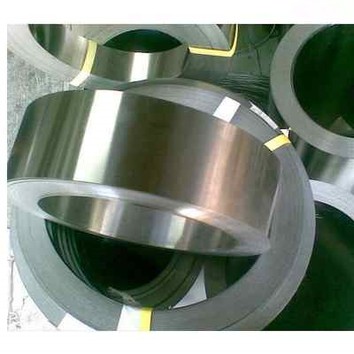
Platinized titanium anodes combine the mechanical strength and corrosion resistance of titanium with the superior electrochemical catalytic activity of platinum. The titanium substrate (ASTM B265 Grade 1 or Grade 2) provides structural rigidity and immediate passivation in aggressive environments, while the platinum coating ensures high electrical conductivity and low oxygen/chlorine evolution overpotential. Manufactured via electrodeposition paired with thermal diffusion treatment, these anodes maintain dimensional stability and consistent anode-to-cathode distance (ACD) during continuous high-current industrial operation.




Key Features
Dimensionally Stable (DSA)
Substrate undergoes zero volumetric or dimensional change during extended electrolysis cycles.
High Current Density Tolerance
Engineered to withstand operating current densities up to 100 A/dm² without premature coating degradation.
Passivation Resistance
Titanium substrate instantly forms a protective oxide layer if micro-defects occur, preventing catastrophic base-metal corrosion.
Low Cell Voltage Overpotential
Maximizes energy efficiency in industrial electrochemical cells, reducing overall power consumption.

Substrate Material: Titanium ASTM B265 Grade 1 or Grade 2 (Certified mill test reports available)
Coating Material: Platinum (Pt purity >= 99.99%)
Coating Thickness: Standard 1.0 um to 10 um (customizable up to 20 um based on design lifespan)
Maximum Operating Current Density: Up to 100 A/dm² (application-dependent)
Maximum Operating Temperature: < 60°C (standard seals), up to 80°C (high-temperature grade formulation)
Coating Bonding Technique: Electroplating followed by controlled thermal diffusion treatment for atomic-level interlocking
Materials & Available Options
Substrate Geometries
Expanded metal mesh, perforated plates, solid sheets, rods, wires, and seamless tubular configurations.
Coating Configurations
Full-surface or selective platinum plating (welded contact zones and edges left uncoated for optimal electrical contact).
Optional intermediate barrier layer (such as thermally coated tantalum or iridium oxide) to eliminate titanium passivation risk in high-fluoride or high-acid electrolytes.

Applications

Cathodic Protection (ICCP)
Impressed current cathodic protection for marine hulls, offshore platforms, underground pipelines, and reinforced concrete structures.
Wastewater Treatment
Electrochemical advanced oxidation processes (AOPs) for high-COD industrial effluent, refractory organics, and municipal water disinfection.


Electroplating & Electrowinning
Precious metal recovery and electroplating lines (gold, silver, rhodium, palladium) requiring high bath purity.
PCB Manufacturing
Acid copper electroplating and etchant regeneration systems.

Customization Options
Fabricated strictly to customer engineering drawings and specific electrochemical process parameters:
Substrate Processing
In-house laser cutting, CNC punching, stamping, argon-arc welding, and mechanical shaping prior to surface treatment.
Terminal Integration
Integrated titanium busbars, threaded titanium studs, welded current distribution tabs, or customized cable attachment interfaces.
Lifespan Customization
Platinum thickness mathematically modeled to match target operational life cycles (e.g., 3-year, 5-year, or 10-year continuous duty).

Raw Material Verification: Ultrasonic non-destructive testing (NDT) and optical emission spectrometry (OES) chemical analysis verifying titanium substrate compliance per ASTM standards.
Surface Preparation Protocol: Controlled mechanical grit-blasting followed by hydrochloric/oxalic acid etching to establish precise micro-roughness profiles for platinum mechanical interlocking.
Coating Testing & Inspection:
- X-ray Fluorescence (XRF) coating thickness and uniformity verification.
- Accelerated Lifetime Testing (ALT) conducted in acidic media to evaluate coating adhesion, bond integrity, and resistance to peeling.
Quality Standard: Manufactured under ISO 9001 certified quality management systems; third-party inspection (SGS/BV) available upon request.
Packaging & Shipping
Packaging: Individually wrapped in non-abrasive anti-static polyethylene sheeting, isolated with high-density EPE foam cushioning, and secured in heavy-duty export-grade plywood crates to eliminate transit vibration and surface scratching.
Shipping: Expedited air freight for urgent R&D sample batches; secure ocean freight or multimodal transport for bulk industrial orders with moisture-absorbing desiccants.
Frequently Asked Questions

Request a Quote (RFQ)
Submit your operational and dimensional parameters for a direct engineering review:
Substrate Grade & Geometry: [ E.g., Titanium ASTM B265 Gr.1 Expanded Mesh ]
Dimensions / Drawing Reference: [ Attach CAD or PDF Drawing if available ]
Target Platinum Thickness: [ E.g., 5.0 um ]
Electrolyte & Operating Conditions: [ E.g., Sulfuric acid, 50°C, Current Density 60 A/dm² ]
Target Quantity & Delivery Timeline: [ E.g., 20 units / 4 weeks ]
As one of the most professional platinized titanium anodes enterprises in China, we're featured by quality products and good price. Please rest assured to buy high-grade platinized titanium anodes in stock here from our factory. Contact us for customized service.